
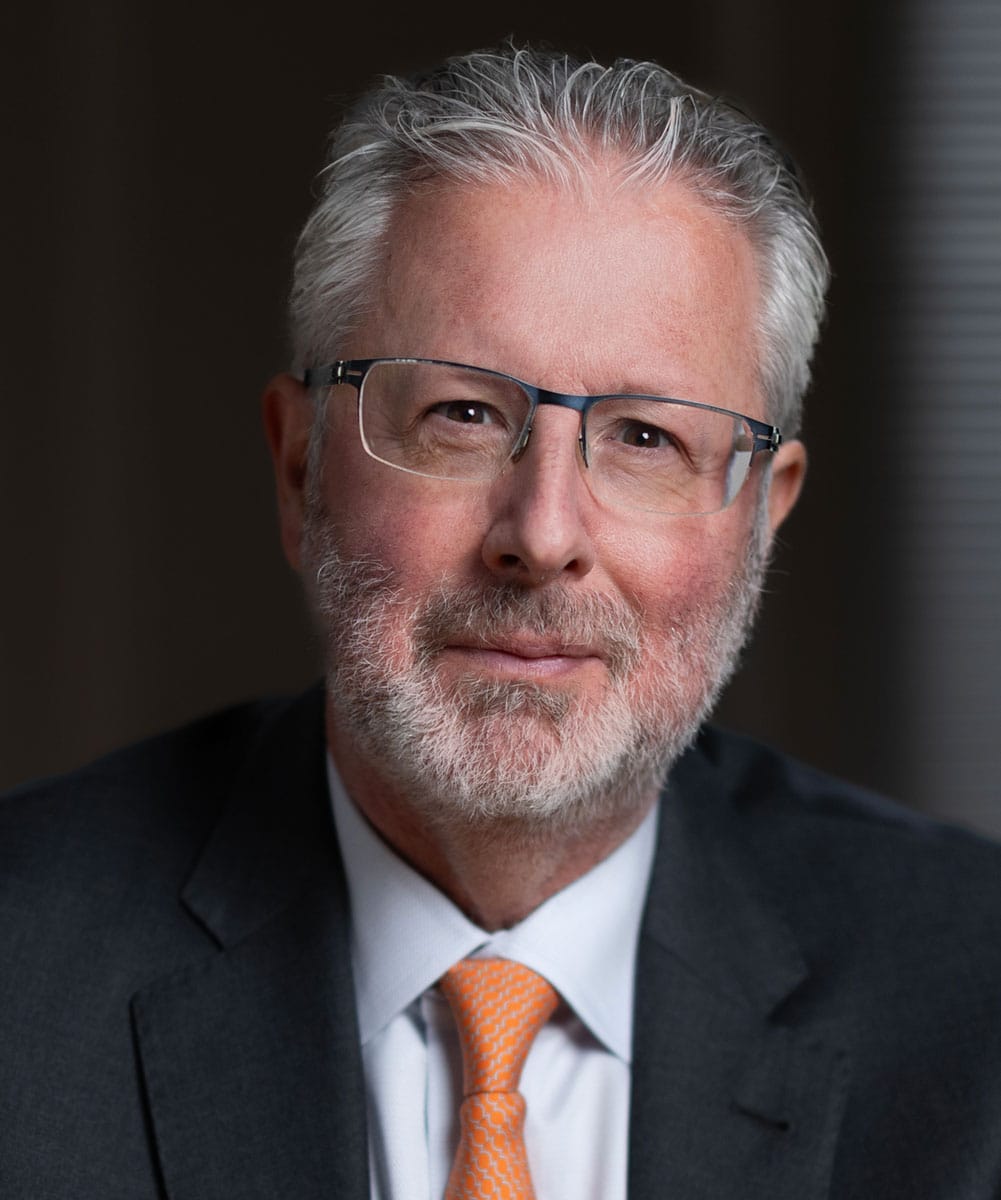
Biosketch
Neil H. Shubin is an evolutionary biologist and the president of the National Academy of Sciences. A renowned scientist, educator, author, and science communicator, Shubin most recently served as the Robert R. Bensley Distinguished Service Professor of Organismal Biology and Anatomy and vice dean for academic advancement at the University of Chicago, where he led a dynamic multidisciplinary research laboratory that has integrated breakthroughs in paleontology with an understanding of the molecular biology of development. He has also held faculty and senior leadership posts at the University of Pennsylvania, the Marine Biological Laboratory in Woods Hole, Massachusetts, and the Field Museum in Chicago.
Shubin has led fossil-hunting expeditions around the world. In 2004, his multidisciplinary team made a breakthrough discovery on Ellesmere Island in Nunavut territory, the northernmost region of Canada, where they found a fossil representing an intermediate body plan between fish and amphibians. In collaboration with local leaders, they named the fossilized animal Tiktaalik — “large freshwater fish” in Inuktitut, one of the official languages of Nunavut.
In 2008, Shubin published his critically acclaimed book Your Inner Fish, a national bestseller that received the Phi Beta Kappa Award in Science and was recognized by the National Academy of Sciences as the best science book of the year. The book shares Shubin’s insights as a fish paleontologist teaching a human anatomy lab and on his expeditions that uncovered Tiktaalik. Shortly after it was published, Shubin worked with the Howard Hughes Medical Institute to turn the book into a popular miniseries that aired on PBS, winning both an Emmy Award as well as the National Academy of Sciences communication award for television and radio.
Shubin has received numerous distinctions and honors, including the Roy Chapman Andrews Society Distinguished Explorer Award in 2019 and the 2024 Viktor Hamburger Outstanding Educator Prize.
Shubin earned his bachelor’s degree in biology from Columbia College of Columbia University in 1982 and a Ph.D. in organismic and evolutionary biology from Harvard University in 1987. He did his postdoctoral work at the University of California, Berkeley.
Research Interests
I have studied major transitions in the history of vertebrate life using expeditionary paleontology and neontology, namely experimental developmental biology and comparative morphology of extant species. Working in Paleozoic and Mesozoic rocks worldwide, my colleagues and I have uncovered early fossil evidence for key groups of extant amphibians, mammals, as well as species that are transitional between finned fish and limbed tetrapod. Developmental approaches, using the tools of experimental embryology and developmental genetics, have revealed the antecedents of limb development in diverse skeletal organs of fish and sharks. These approaches have revealed transitional stages in the evolution of skeletal patterns and the developmental mechanisms underlying their formation.
Membership Type
Member
Election Year
2011
Primary Section
Section 27: Evolutionary Biology
Secondary Section
Section 22: Cellular and Developmental Biology