
For decades, neuroimaging studies have searched for brain signatures of cognition, mental health, and environmental exposures one variable at a time. Unexpectedly, his recent work revealed that neighborhood socioeconomic status (nSES) is the single strongest population-level correlate of whole-brain functional organization, exceeding hundreds of behavioral phenotypes and environmental exposures. Moreover, the whole brain spatial pattern of SES effects, anchored in sensory and motor systems, explained a substantial fraction of seemingly unrelated brain-wide associations and converged with independent neurobiological markers of arousal. He will discuss how these findings motivate a new framework in which childhood environments may become biologically embedded through a latent arousal process, raising new questions about the developmental origins of mental health disparities and the organization of the human brain.
Featured Speaker:

Dr. Scott Marek
Scott Marek, PhD, is an assistant professor of radiology and a principal investigator within the Neuroimaging Labs Research Center at Mallinckrodt Institute of Radiology (MIR). As a pediatric neuroimaging investigator, Marek’s research primarily involves applying innovative neuroimaging on single individuals and big data approaches to understanding and eventually treating the neurodevelopmental processes that contribute to the emergence of psychiatric illness during adolescence.
Related Events
November 4, 2026
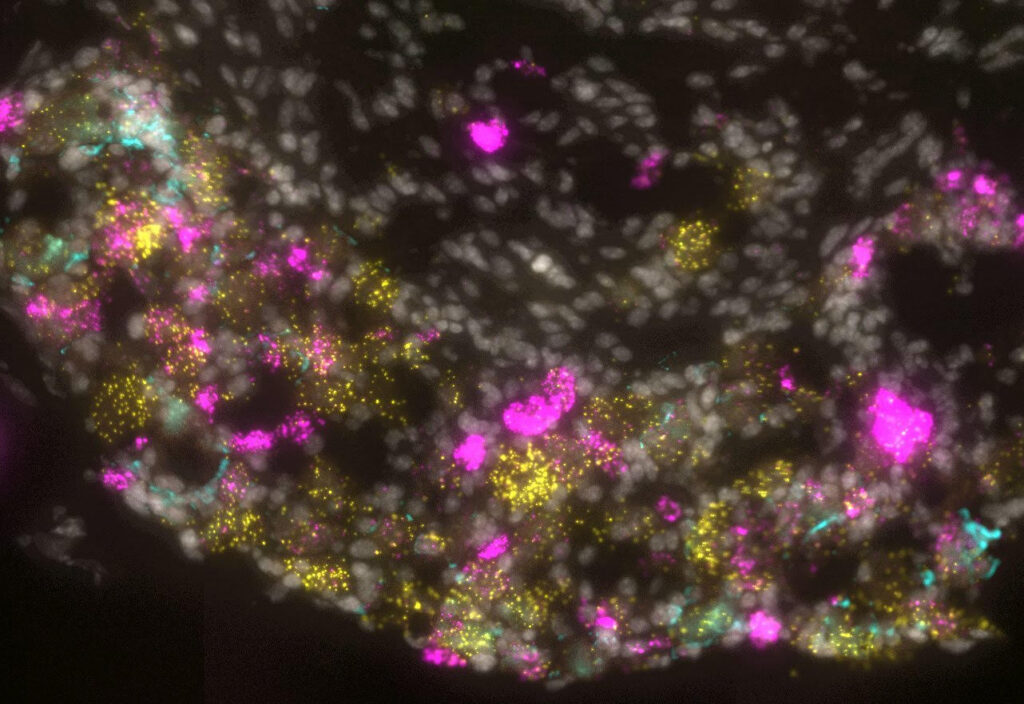
Distinctive Voices—The mystery of persistent pain after injury

Event Disclaimer
It is essential to the National Academy of Sciences mission of providing evidence-based advice that participants in any of our meetings or events avoid political or partisan statements or commentary and maintain a culture of mutual respect. The statements and presentations during our meetings or events are solely those of the individual participants and do not necessarily represent the views of other participants or the National Academy of Sciences, which is a non-partisan, tax exempt organization.