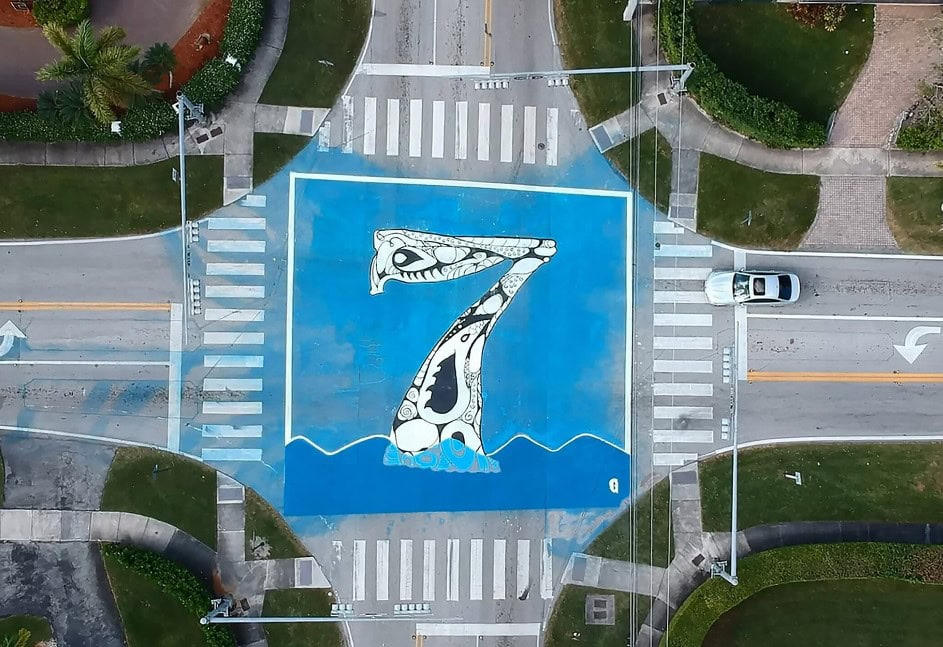
Cultural Programs—Lia Halloran: Warped Side
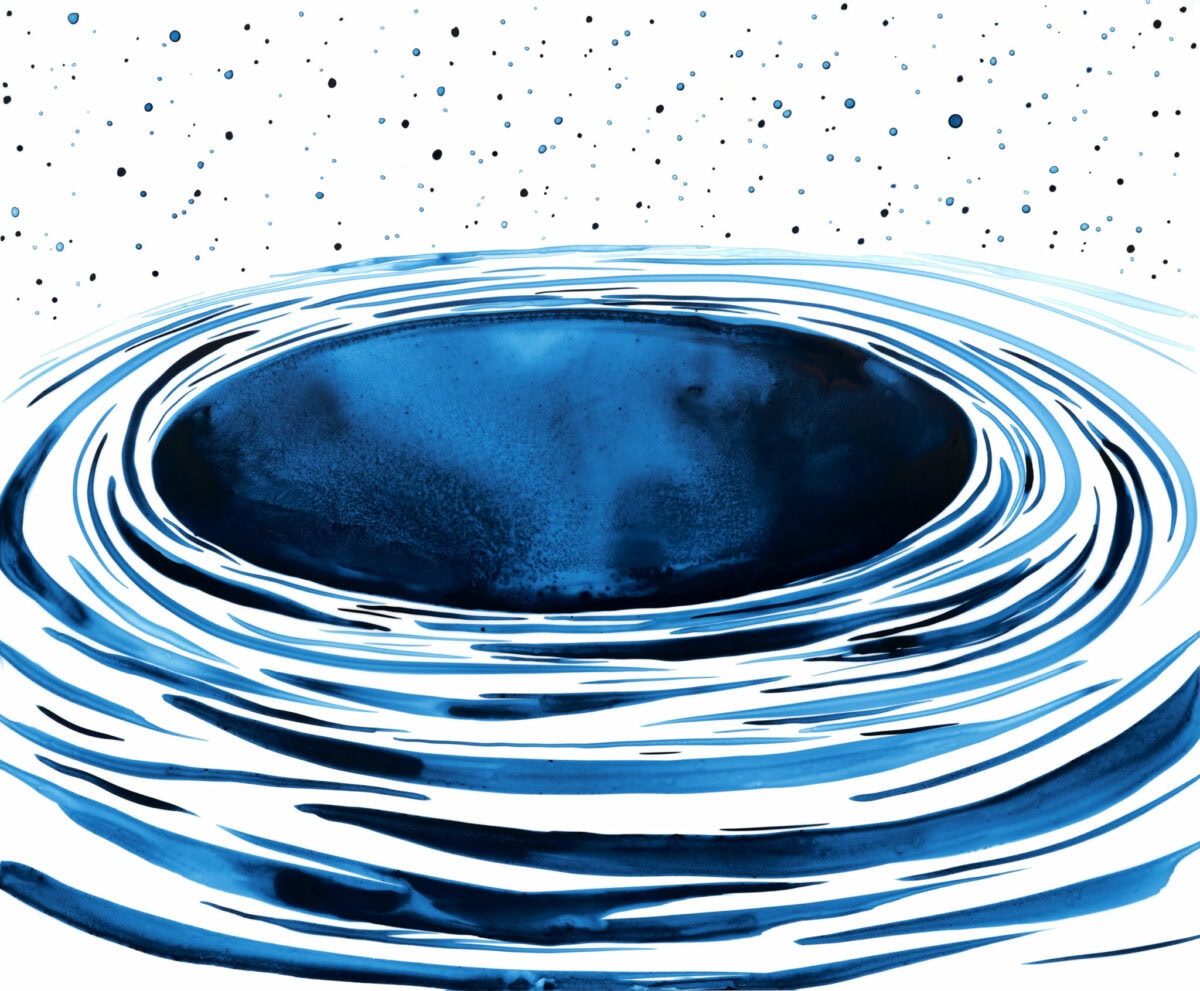
Artist Lia Halloran spent 13 years creating over 500 paintings for the book The Warped Side of Our Universe: An Odyssey through Black Holes, Wormholes, Time Travel, and Gravitational Waves, co-authored with Nobel Prize-winning astrophysicist Kip Thorne. This exhibition presents select pieces from the series, illuminating themes such as time travel, black holes, gravitational waves,…
Read MoreCultural Programs—DC Art Science Evening Rendezvous (DASER): Flourishing Salons
Flourishing Salons Join DASER guest host Ryan McGranaghan, data scientist and research scientist at the NASA Jet Propulsion Laboratory, for an evening of conversation and exploration of the concept of flourishing. Flourishing is an unfolding process of growth and transformation. As anthropologist James Suzman puts it, flourishing involves using our resources to enrich ourselves spiritually,…
Read MoreCultural Programs—Inherit the Wind: A Staged Theatrical Reading
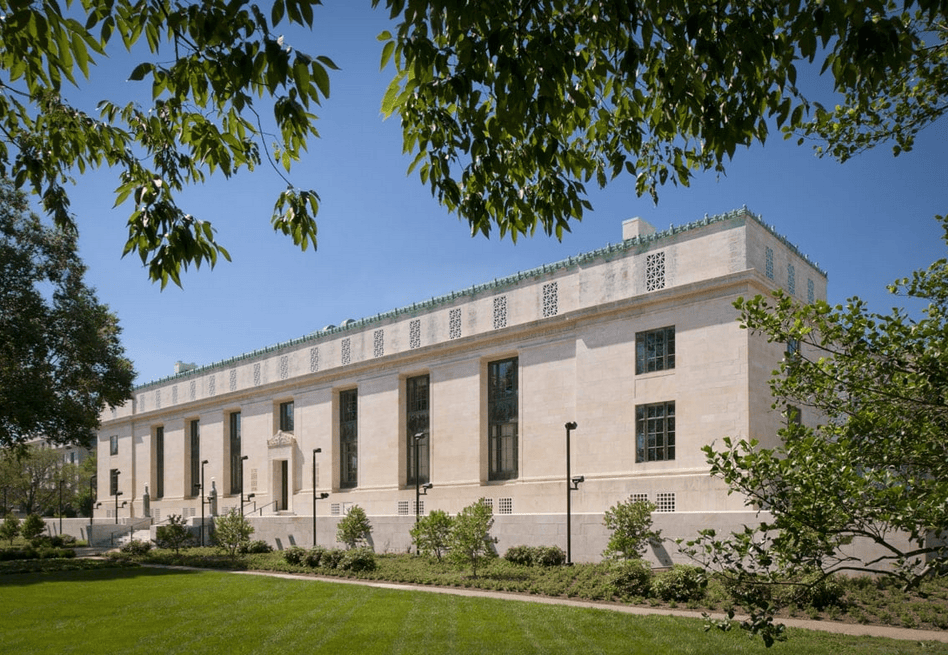
Written by Jerome Lawrence and Robert Edwin Lee Directed by Samantha Wyer Bello Join CPNAS and the Shakespeare Theatre Company (STC) for a staged reading of the play Inherit the Wind. Inspired by the Scopes “Monkey” Trial of 1925, Inherit the Wind tells the story of Bertram Cates, a young science teacher put on trial for teaching…
Read MoreUS-UK Scientific Forum on Measuring Biodiversity for Addressing the Global Biodiversity Crisis
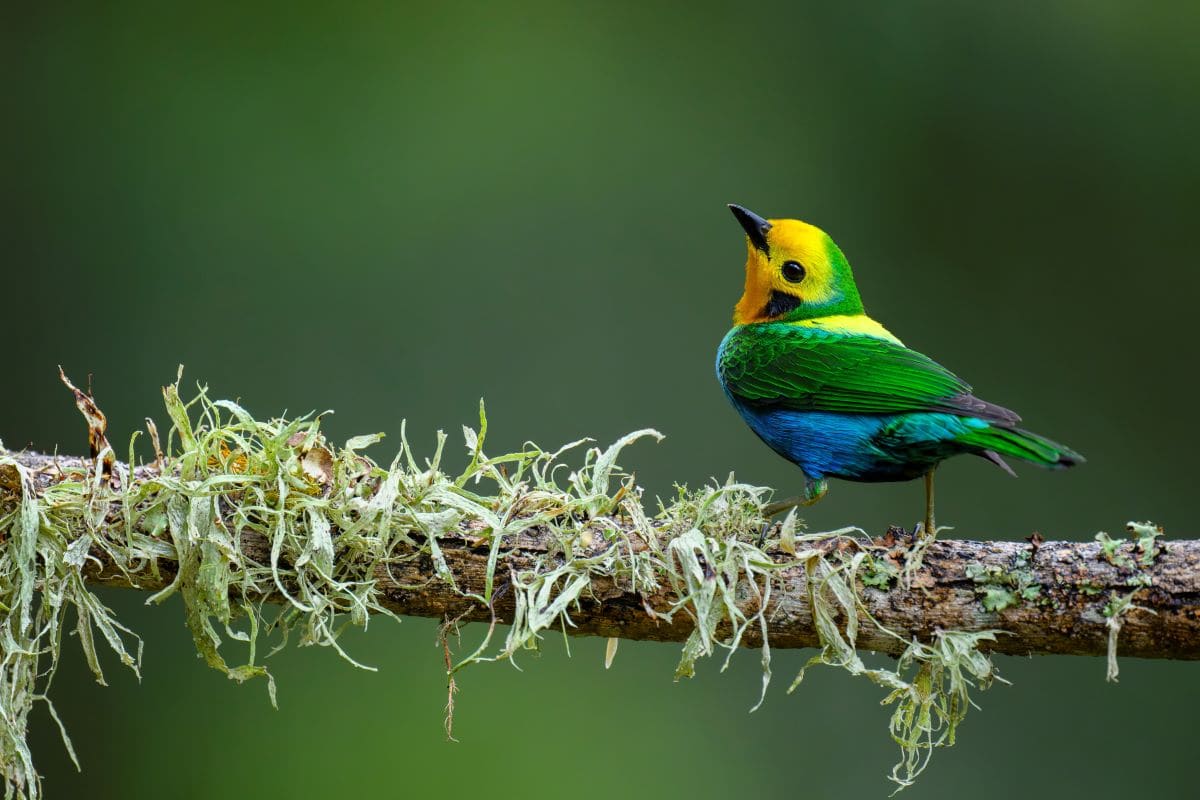
May 21-22, 2025 Washington, DC Forum Program Short Summary of the Forum Full Summary of the Forum Assessing biodiversity is fundamental to understanding the distribution of biodiversity, the changes that are occurring and, crucially, the effectiveness of actions to address the ongoing biodiversity crisis. Such assessments face multiple challenges, not least the great complexity of…
Read MoreDistinctive Voices—Mercury Cycling in Warming Oceans
Mercury is a naturally occurring element that has been mined and released by humans for over 3,000 years. Inorganic mercury, released through human activities, makes up the majority of the mercury reservoir in the environment. However, only the organic/methylated forms of mercury (methylmercury) accumulate in food webs, leading to neurological and cardiovascular impairments in humans.…
Read MoreDistinctive Voices—Seeing infrared: bioinspired nanomaterials to enable deep tissue biomedical imaging
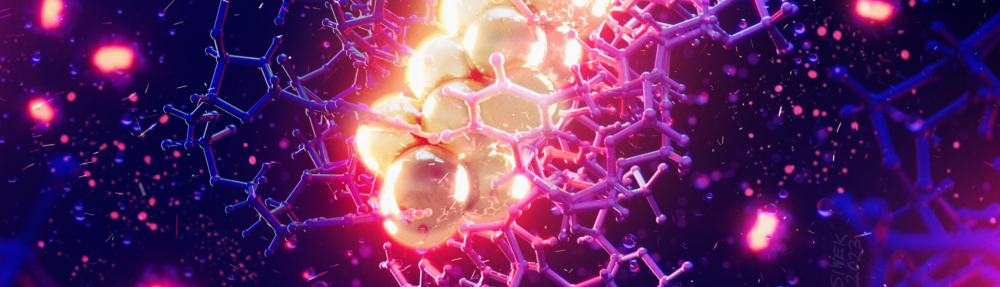
Biological tissues and fluids become far more transparent to light in the near infrared spectral window, at wavelengths too long for our eyes to detect. This increased transparency is highly promising to enable deep tissue imaging at high spatial and time resolutions. However, we currently lack light-emitting contrast agents that are small, bright, biocompatible, and chemically…
Read MoreLabX—Wrong Answers Only: Food Edition!
Food designer and molecular biologist Eric Schulze joins host Chris Duffy and an incredible panel of comedians for this science comedy game show! Produced by LabX, a public engagement program at the National Academy of Sciences, Wrong Answers Only is science comedy game show featuring celebrity guests who play games and quizzes while learning about…
Read More2024 Lounsbery Lecture- Neuron-glial Interactions in Health and Disease: From Cognition to Cancer
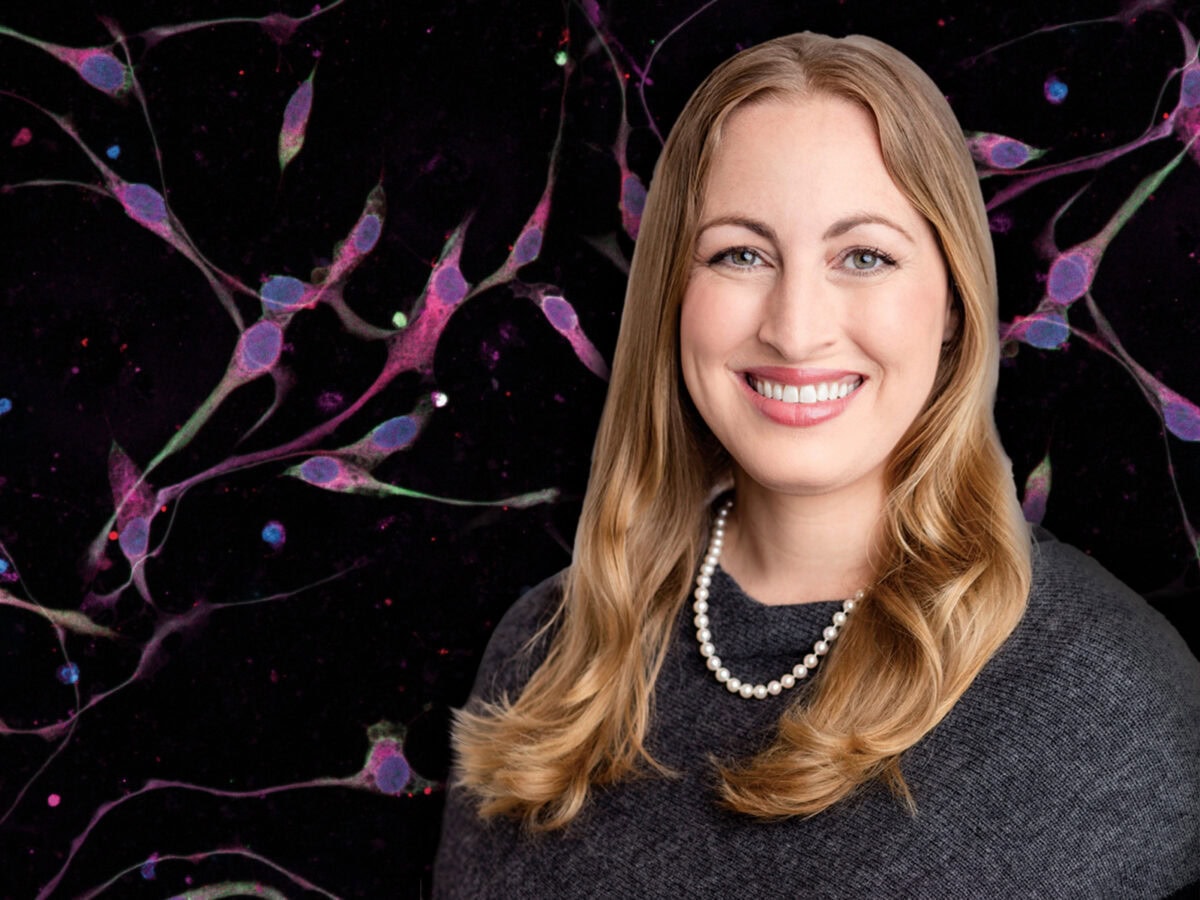
Michelle Monje, 2023 Richard Lounsbery Award recipient, presented the 2024 Lounsbery Lecture on “Neuron-glial Interactions in Health and Disease: From Cognition to Cancer” at Vassar College on October 24 at 5:00pm Eastern. In the central nervous system, neuronal activity is a critical regulator of development and plasticity. Activity-dependent proliferation of healthy glial progenitors, oligodendrocyte precursor…
Read MoreThe Blavatnik US-Israel Scientific Forum on Alleviating Global Water Scarcity by Desalination and Water Reuse
September 10-11, 2024 Washington, DC Program Welcome Remarks Peter L. Thoren • Executive Vice President, Access Industries, Inc. Menachem Elimelech • Yale University Avner Adin • The Hebrew University of Jerusalem Day 1 Keynote Address: Maximizing the Value of Water Infrastructure Investments for Humans and the Environment Meagan Mauter • Stanford University Session 1: Seawater…
Read More