
Posts by jagee
Statement on Report’s Recommendation for NSF Ocean Observatories Initiative

Forecasting the Ocean: The 2025-2035 Decade of Ocean Science, a National Academies report issued last year, found that the National Science Foundation’s Ocean Observatories Initiative has seen many successes and, as it stands, would partially support urgent ocean research questions identified by the committee that wrote the report. Although the committee recommended that NSF conduct a…
Read MoreNAS Members Honored with 2026 Shaw Prizes
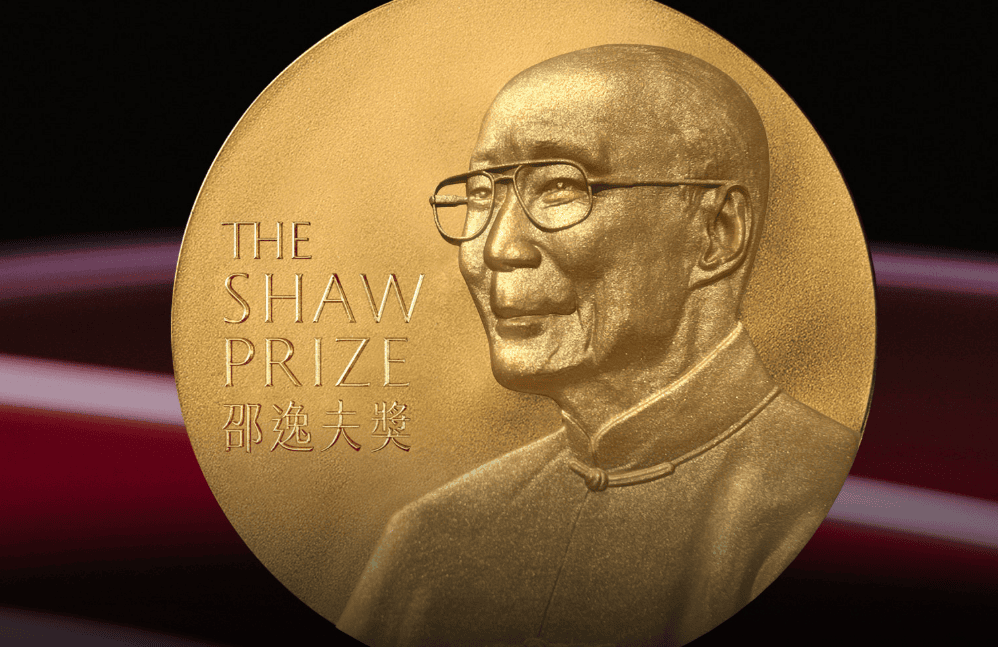
Three members have received 2026 Shaw Prizes. Stanford Woosley has received the Shaw Prize in Astronomy alongside Ken’ichi Nomoto for their studies of stellar explosions and the origin of the elements. Zhu Chen shares the Shaw Prize in Life Science and Medicine with Anne Dejean and Hugues de Thé for the discovery of the molecular…
Read MoreThe Biodiversity We Overlook: Marlene Zuk Explains What “Outsider Animals” Can Teach Us About Coexistence in a Human-Dominated World
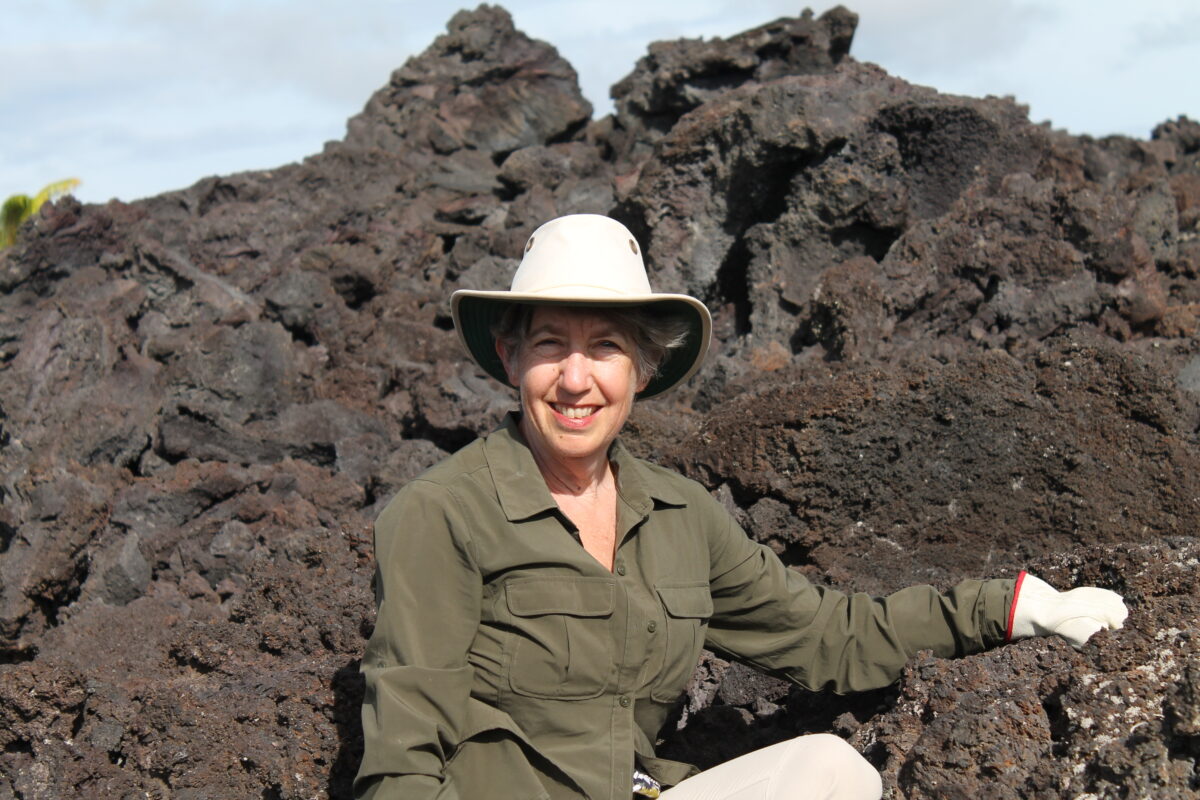
When people think about biodiversity, they often picture rainforests, coral reefs, or endangered wildlife, not cockroaches in kitchen corners or coyotes crossing city streets. But in her new book Outsider Animals, evolutionary biologist Marlene Zuk argues that these overlooked species are also part of the story of biodiversity in a human-shaped word, where cities, landscapes,…
Read MoreFood for Thought: Gene Robinson on What Honey Bees Can Teach Us About Cooperation and Resilience
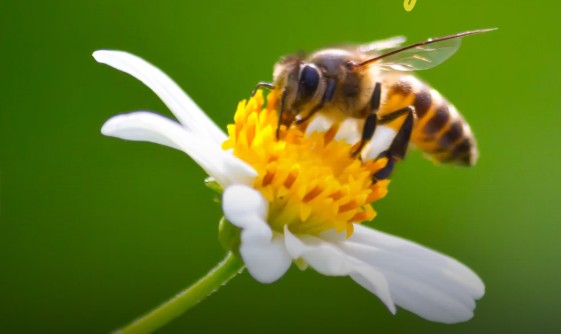
Honey bees are best known for their essential role in pollinating much of the food we eat, but their importance extends far beyond agriculture. In a Q&A for World Bee Day, leading neuroscientist and entomologist Gene Robinson reflects on what bees reveal about the evolution of cooperation, communication, and resilience. From the molecular foundations of social…
Read MoreScience Academies “S7” Statements Call on Governments to Protect the Arctic, Manage Large Satellite Constellations, and Advance Brain Health
WASHINGTON — The science academies of the G7 countries released three joint “S7” statements to inform discussions during the G7 summit to be held in Evian, France, in June, as well as to offer science-informed guidance for ongoing policymaking. The U.S. National Academy of Sciences joined academies from France, Germany, Italy, Japan, Canada, and the United…
Read MoreNational Academies Presidents’ Statement on Value of National Science Board
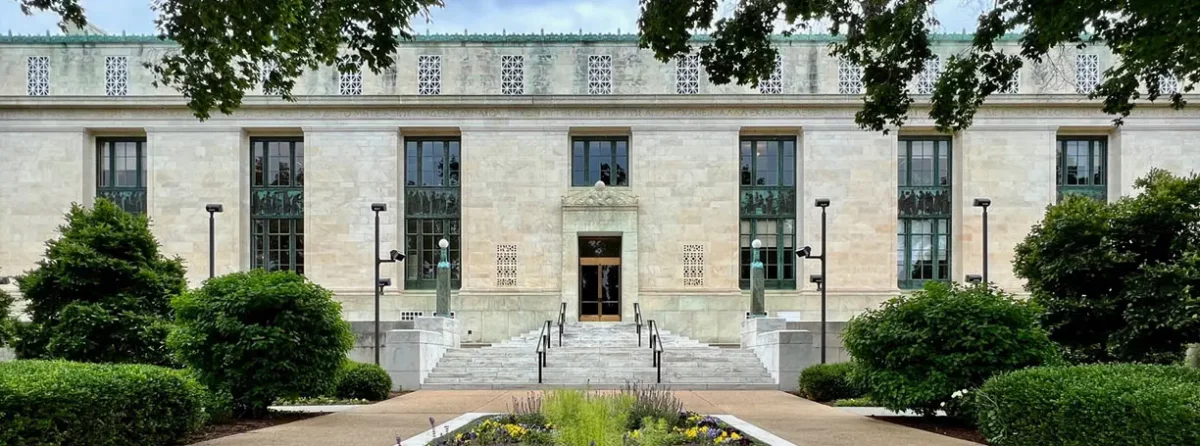
For decades, the National Science Board has overseen the National Science Foundation and provided support for the American research enterprise that is central to the nation’s economic and geopolitical leadership. Sustained research investment guided by independent, expert oversight is critical for ensuring the long-term health, economic prosperity, and security of the U.S., particularly in the…
Read MoreNAS President Marcia McNutt to Deliver Annual State of the Science Address
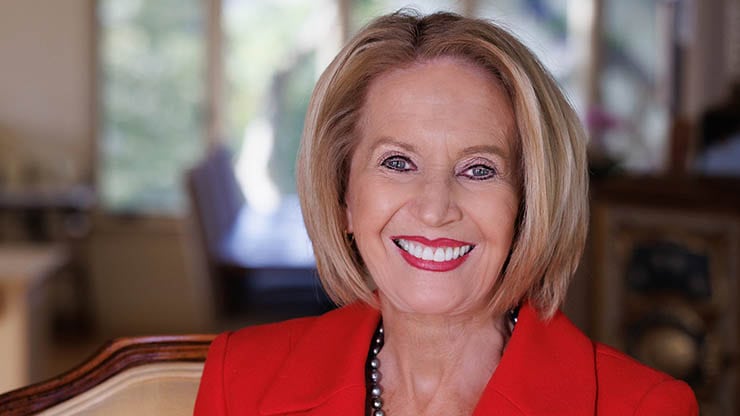
Marcia McNutt will discuss the status of the United States’ research enterprise, global leadership in science, and implications for economic competitiveness in the third State of the Science address, to be delivered on June 2 in Washington, D.C. “Science is our best hope for creating a future we all want — one in which our…
Read MoreA Historic Presidency: Marcia McNutt Reflects on Leading the National Academy of Sciences
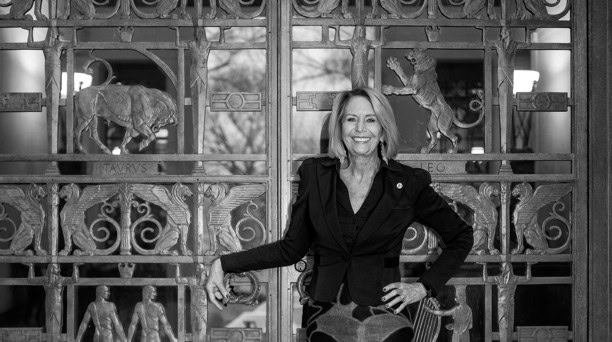
As Marcia McNutt approaches the end of her tenure as president of the National Academy of Sciences, she leaves a historic legacy as the first woman to hold that office in the institution’s more than 160-year history. Over the past ten years, McNutt has guided the Academy through a period marked by global crises, political…
Read MoreNAS International Member Receives 2026 Abel Prize

German mathematician Gerd Faltings has been announced as the 2026 recipient of the prestigious Abel Prize “for introducing powerful tools in arithmetic geometry and resolving long-standing diophantine conjectures of Mordell and Lang.” Widely considered the “Nobel Prize of Mathematics,” it is one of the highest honors in the field, and Faltings is the first German…
Read MoreMeteorology in a New Era: Celebrating World Meteorological Day with J. Marshall Shepherd
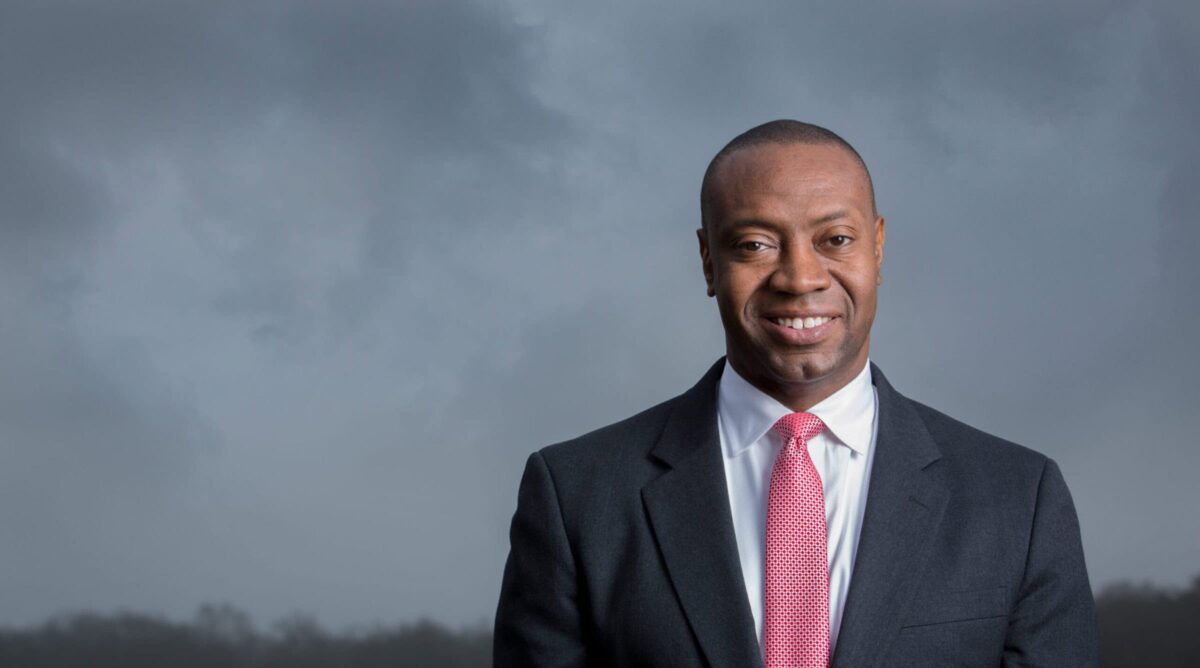
Weather and climate shape nearly every decision we make, often in ways we don’t even notice. In recognition of World Meteorological Day, atmospheric scientist J. Marshall Shepherd shares insights about the rapid evolution of meteorology and its growing role in addressing global challenges. From major advances in AI-driven forecasting and satellite observations to the increasing…
Read More