Revolutions in Science: Discovery, Imagination, and the Future
As the United States marks its 250th anniversary, the National Academy of Sciences will convene scientific leaders, innovators, and emerging researchers to explore a central question: What discoveries will define the next 250 years?
Revolutions in Science: Discovery, Imagination, and the Future is a day-long symposium exploring the ideas, technologies, and people shaping the future of science. Facilitated by Heather Berlin of the Icahn School of Medicine at Mount Sinai, the program will include keynote addresses, interdisciplinary conversations, and presentations on visionary research. Participants will examine how scientific discovery drives progress, how public investment fuels innovation, and how the scientific enterprise can address the challenges and opportunities of the future.
Co-hosted by the National Academy of Sciences and the Smithsonian Institution, the 250th Revolutions in Science Symposium is made possible through the generosity of our sponsors, Schmidt Sciences and The Kavli Foundation.
Featured Highlights (view the full agenda here)
The Past and Future of Innovation: Can Progress be Sustained?
The symposium opens with a keynote from acclaimed economic historian Joel Mokyr, who will explore how discovery-driven research and practical knowledge have historically powered American leadership and examines whether the nation can sustain that momentum in a globally contested knowledge economy.
The Next Era of Discovery
A conversation featuring Frances Arnold, Nobel Prize-winning pioneer in directed evolution, and Robert Langer, one of the world’s most influential biomedical engineers and entrepreneurs. Together, they will discuss how foundational research becomes transformative impact and what scientific frontiers may generate the next generation of breakthroughs.
Frontiers of Intelligence: From Brains to Machines
How are advances in neuroscience and artificial intelligence reshaping our understanding of intelligence itself? This plenary session brings together leading experts including Edward Chang, Ellie Pavlick, and Joshua Tenenbaum to examine the scientific and societal implications of intelligence across biological and artificial systems.
AI as a Catalyst for Scientific Discovery
Artificial intelligence is rapidly transforming the way science is conducted. Short, high-impact talks by Sara Beery, Tanya Berger-Wolf, and Cecilia Garraffo, will showcase how AI is accelerating discovery across fields ranging from biodiversity and ecology to astronomy and astrophysics, highlighting new approaches to some of science’s most complex questions.
Looking Beyond the Horizon
The afternoon plenary brings together distinguished scientific leaders including Jennifer Lewis, Sara Walker, Huda Zoghbi, and Maria Zuber to explore where today’s challenges intersect with tomorrow’s opportunities and where scientific urgency is needed most. The symposium concludes with a keynote from Harvey Fineberg, Harvard TH Chan School of Public Health (emeritus), who will reflect on the role of imagination, discovery, and innovation in shaping the next chapter of American science.
You can view the full biographies for our presenters and organizing committee here.
Latest Posts
Featured
October 5, 2026
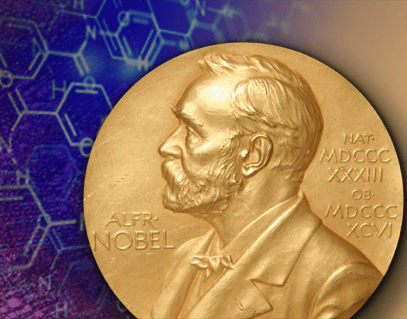
NAS Members Receive Nobel Prizes
Featured
June 30, 2026
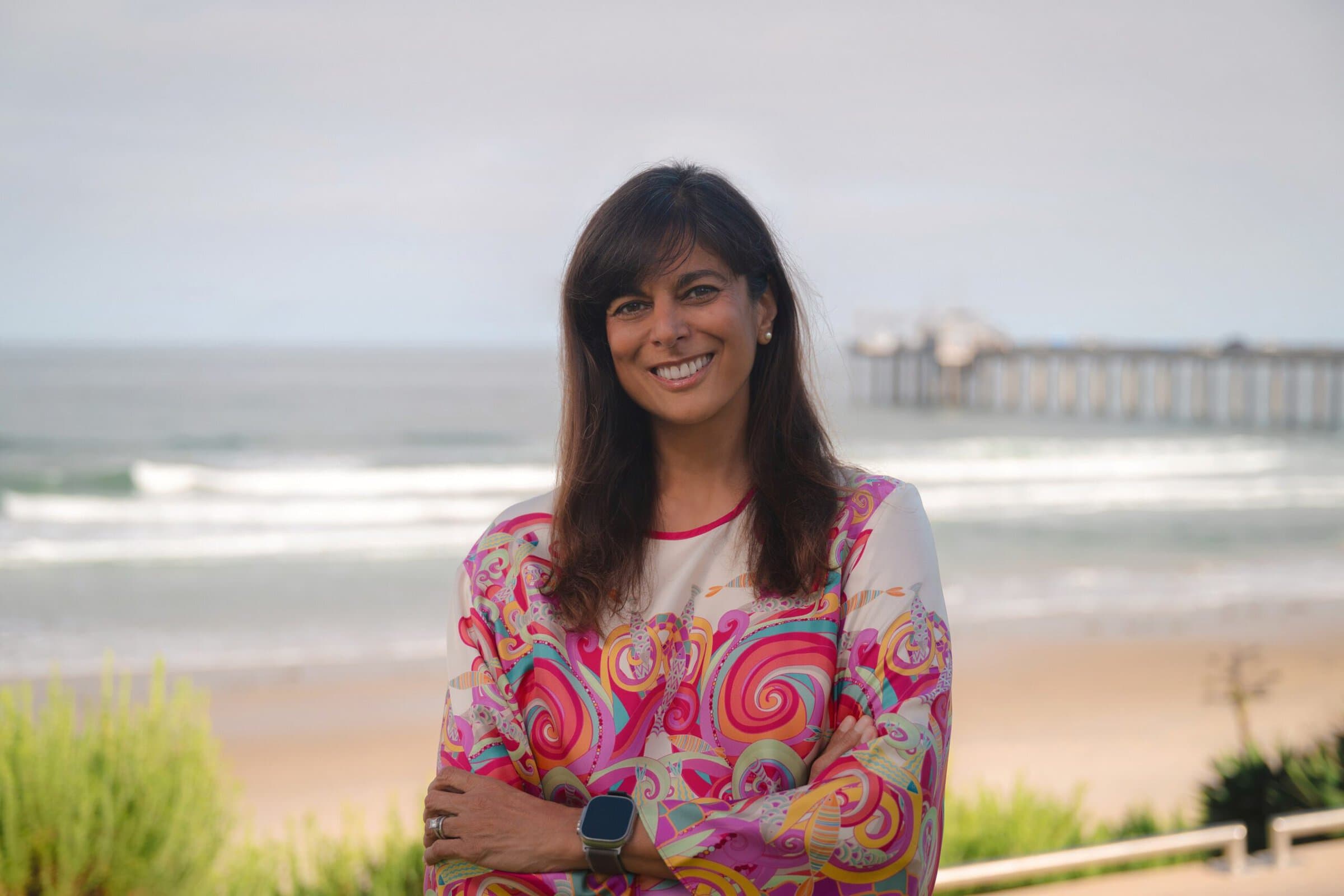
Building Blocks of the Solar System: A Conversation with Meenakshi Wadhwa on Asteroid Day